
“Reliving History — In Portumna” Letter from Ambassador (May)
2026/5/29
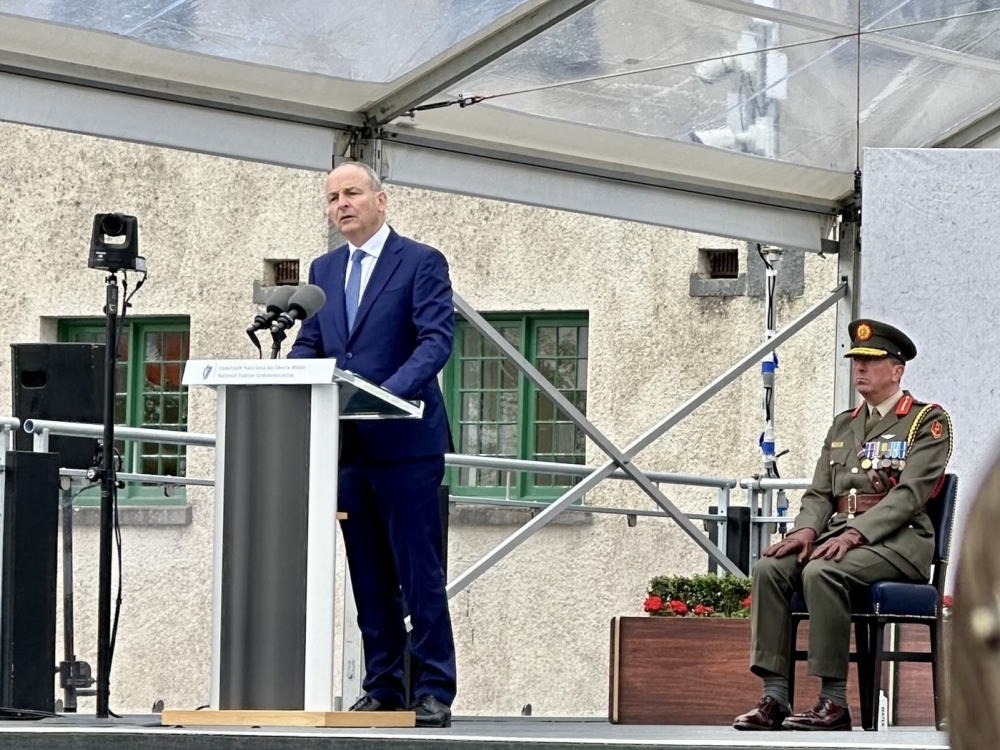 Taoiseach Micheál Martin T.D. delivering the keynote address at National Famine Commemoration 2026 at Irish Workhouse Centere, Portumna, Co. Calway (Photo taken in May 2026)
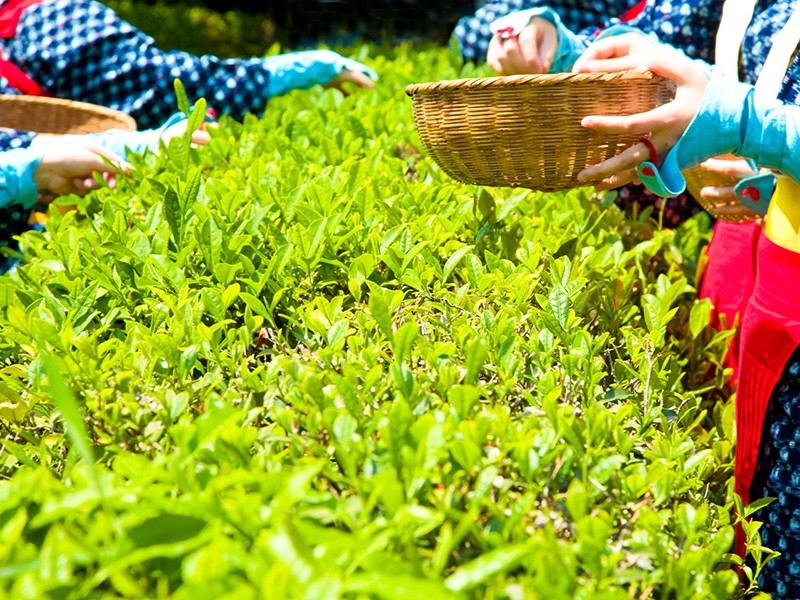 For Japanese tea growers, hachiju-hachiya is an important day, since the best time of the year to pick tea is during the two to three weeks starting from hachiju-hachiya.
Dear Readers,
As we approach the end of May, it finally feels as though summer has arrived in Ireland. I hope this letter finds you well. In Ireland, May Day on 4 May traditionally marks the beginning of summer in the calendar, while in Japan 2 May this year marked Hachijū-hachiya — the eighty-eighth night after the beginning of spring. Some of our Irish readers may even be familiar with the traditional Japanese tea-picking song:
“Summer draws near on the eighty-eighth night,
Fresh green leaves flourish in fields and mountains alike.
Can you see them there, picking tea?
Wearing red sashes and sedge hats.”
On 16 May, I was invited to attend the National Famine Commemoration and travelled to the town of Portumna in County Galway. In the opening of his address, Taoiseach Micheál Martin stated:
“In the recorded history of our island there is no more traumatic event than the Great Famine. Its destructive intensity brought a scale of death and dispossession which is almost impossible to comprehend. After the worst was over, nothing would ever be the same again."
He went on to speak about how the Famine led many Irish people to emigrate overseas, and how the determination never to allow such a tragedy to occur again became deeply embedded in the Irish national character. He also reflected on the significance of the occasion, saying:
“The National Famine Commemoration is one of the most important state commemorative events we have. It is unique in that it is not focused on an individual or groups. It is commemoration of an entire society and the loss of so many whose names are not recorded on monuments."
Many people attended the ceremony, including the Minister for Culture, Communication, and Sport, the Minister of State for Transport, the Cathaoirleach of County Galway, local representatives, members of the diplomatic corps, and others, all paying tribute to the victims of the Great Famine of 1846–1851.
The ceremony began beneath overcast skies, but rain started to fall during the Taoiseach’s speech, and the temperature dropped sharply. Although I found myself shivering slightly in the cold, I reflected deeply on the Great Famine and felt I had begun to understand more clearly than before why present-day Ireland is so committed to addressing global food shortages and famine, and why there is such a strong spirit of supporting the vulnerable.
Later, I spoke with an Irish friend about my experience in Portumna. He told me:
“The experience of the Great Famine is still deeply etched into Irish DNA. It may sound unbelievable, but every time I sit down to eat, I think to myself: ‘This could perhaps be my last meal. I must appreciate it properly.’”
I was also reminded of a comment once made by a European friend living in Ireland:
“Irish people have a very strong attachment to the land. I believe one reason for this lies in their experience of the Great Famine.”
Reflecting on Japan’s own history, one is reminded of the Tenpō Famine of the Edo period (around 1833–1839), one of the great famines of nineteenth-century Japan. Due to severe crop failures and epidemics, population estimates suggest that Japan’s population declined by more than one million people during that time.
Until now, I had not often consciously reflected on why Japanese people generally regard finishing one’s meal without waste as good manners; why both the public and private sectors in Japan are deeply committed to reducing food loss; or why Japan has long been so earnest in providing technical cooperation and food assistance to countries suffering from food shortages overseas. Yet after attending this ceremony, listening to Taoiseach Martin’s speech, and hearing the words of my friends, such thoughts naturally crossed my mind.
Japan and Ireland — each carry their own histories. Over the past decade, exports of Irish agricultural products to Japan have doubled. Irish beef, raised on lush green pastures throughout the year, is highly regarded in Japan, and I understand that some restaurant chains there even specialise in serving Irish beef tongue. Irish whiskey, with its long history, is now widely enjoyed in Japan as well.
At the same time, Japanese green tea has become increasingly popular in Ireland, appreciated not only for its health benefits but also through modern variations such as matcha lattes, particularly among younger generations. Japanese cuisine, too, enjoys considerable popularity throughout Ireland.
Furthermore, both our countries are steadily implementing strategies aimed at promoting sustainable agriculture — considering how best to advance environmentally friendly farming practices while addressing challenges such as climate change.
In his address at the National Famine Commemoration, Taoiseach Martin quoted the following words by the American poet Maya Angelou:
“History, despite its wrenching pain, cannot be unlived, but if faced with courage, need not be lived again.”
Having had the good fortune to live in Ireland at this moment in time, I too hope to embrace this spirit: never forgetting the past, while continuing to look ahead with hope each day. I also hope to remain mindful of the many challenges facing the international community and, together with my Irish friends, continue deepening the bonds of friendship between our two countries.
I wish you well until we meet again somewhere in Ireland next month — or once more on these pages.
Yours sincerely,
MIYAGAWA Manabu
Ambassador of Japan to Ireland
As we approach the end of May, it finally feels as though summer has arrived in Ireland. I hope this letter finds you well. In Ireland, May Day on 4 May traditionally marks the beginning of summer in the calendar, while in Japan 2 May this year marked Hachijū-hachiya — the eighty-eighth night after the beginning of spring. Some of our Irish readers may even be familiar with the traditional Japanese tea-picking song:
“Summer draws near on the eighty-eighth night,
Fresh green leaves flourish in fields and mountains alike.
Can you see them there, picking tea?
Wearing red sashes and sedge hats.”
On 16 May, I was invited to attend the National Famine Commemoration and travelled to the town of Portumna in County Galway. In the opening of his address, Taoiseach Micheál Martin stated:
“In the recorded history of our island there is no more traumatic event than the Great Famine. Its destructive intensity brought a scale of death and dispossession which is almost impossible to comprehend. After the worst was over, nothing would ever be the same again."
He went on to speak about how the Famine led many Irish people to emigrate overseas, and how the determination never to allow such a tragedy to occur again became deeply embedded in the Irish national character. He also reflected on the significance of the occasion, saying:
“The National Famine Commemoration is one of the most important state commemorative events we have. It is unique in that it is not focused on an individual or groups. It is commemoration of an entire society and the loss of so many whose names are not recorded on monuments."
Many people attended the ceremony, including the Minister for Culture, Communication, and Sport, the Minister of State for Transport, the Cathaoirleach of County Galway, local representatives, members of the diplomatic corps, and others, all paying tribute to the victims of the Great Famine of 1846–1851.
The ceremony began beneath overcast skies, but rain started to fall during the Taoiseach’s speech, and the temperature dropped sharply. Although I found myself shivering slightly in the cold, I reflected deeply on the Great Famine and felt I had begun to understand more clearly than before why present-day Ireland is so committed to addressing global food shortages and famine, and why there is such a strong spirit of supporting the vulnerable.
Later, I spoke with an Irish friend about my experience in Portumna. He told me:
“The experience of the Great Famine is still deeply etched into Irish DNA. It may sound unbelievable, but every time I sit down to eat, I think to myself: ‘This could perhaps be my last meal. I must appreciate it properly.’”
I was also reminded of a comment once made by a European friend living in Ireland:
“Irish people have a very strong attachment to the land. I believe one reason for this lies in their experience of the Great Famine.”
Reflecting on Japan’s own history, one is reminded of the Tenpō Famine of the Edo period (around 1833–1839), one of the great famines of nineteenth-century Japan. Due to severe crop failures and epidemics, population estimates suggest that Japan’s population declined by more than one million people during that time.
Until now, I had not often consciously reflected on why Japanese people generally regard finishing one’s meal without waste as good manners; why both the public and private sectors in Japan are deeply committed to reducing food loss; or why Japan has long been so earnest in providing technical cooperation and food assistance to countries suffering from food shortages overseas. Yet after attending this ceremony, listening to Taoiseach Martin’s speech, and hearing the words of my friends, such thoughts naturally crossed my mind.
Japan and Ireland — each carry their own histories. Over the past decade, exports of Irish agricultural products to Japan have doubled. Irish beef, raised on lush green pastures throughout the year, is highly regarded in Japan, and I understand that some restaurant chains there even specialise in serving Irish beef tongue. Irish whiskey, with its long history, is now widely enjoyed in Japan as well.
At the same time, Japanese green tea has become increasingly popular in Ireland, appreciated not only for its health benefits but also through modern variations such as matcha lattes, particularly among younger generations. Japanese cuisine, too, enjoys considerable popularity throughout Ireland.
Furthermore, both our countries are steadily implementing strategies aimed at promoting sustainable agriculture — considering how best to advance environmentally friendly farming practices while addressing challenges such as climate change.
In his address at the National Famine Commemoration, Taoiseach Martin quoted the following words by the American poet Maya Angelou:
“History, despite its wrenching pain, cannot be unlived, but if faced with courage, need not be lived again.”
Having had the good fortune to live in Ireland at this moment in time, I too hope to embrace this spirit: never forgetting the past, while continuing to look ahead with hope each day. I also hope to remain mindful of the many challenges facing the international community and, together with my Irish friends, continue deepening the bonds of friendship between our two countries.
I wish you well until we meet again somewhere in Ireland next month — or once more on these pages.
Yours sincerely,
MIYAGAWA Manabu
Ambassador of Japan to Ireland
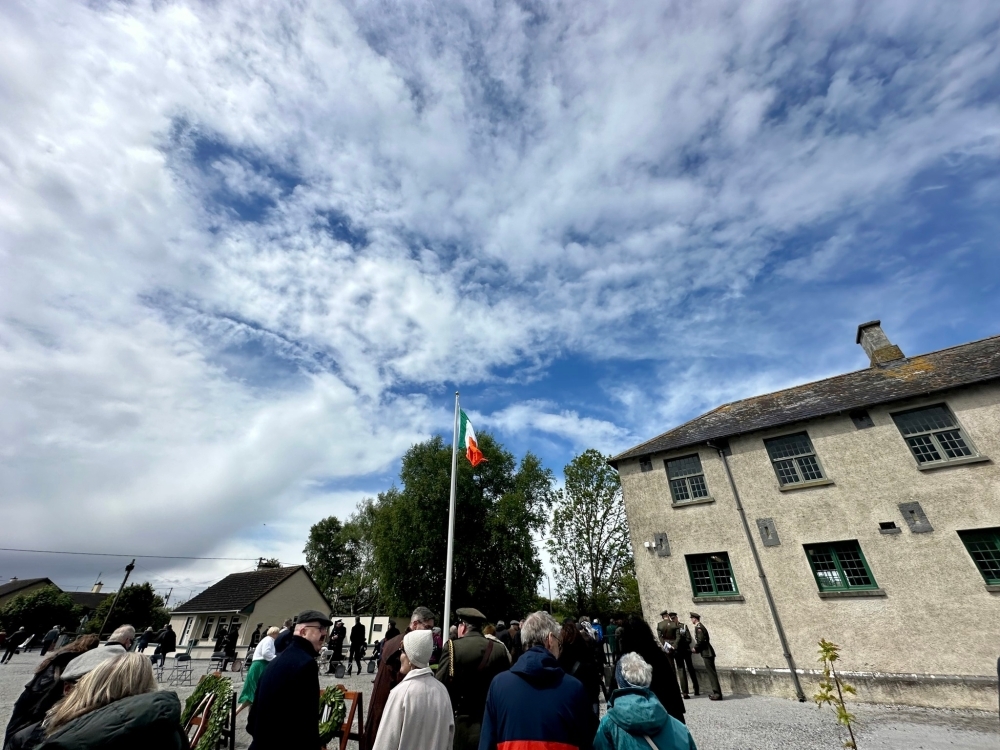 National Famine Commemoration 2026 at Irish Workhouse Centre, Portumna, Co. Galway (Photo taken in May 2026)
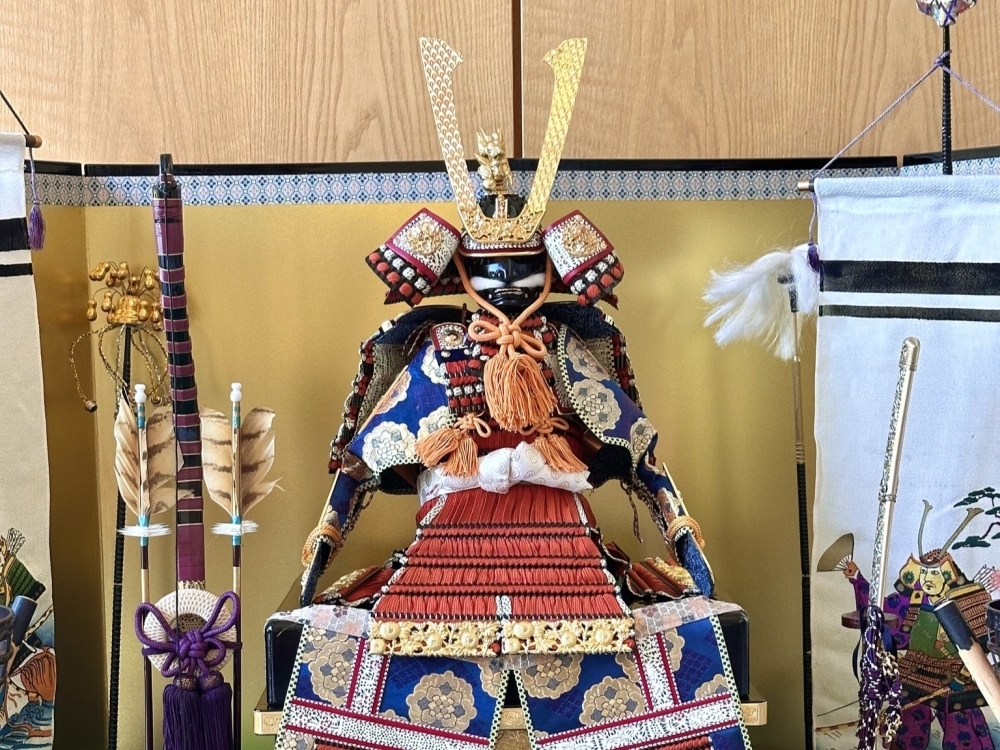 May doll dressed in armour on 5 May, Day for Children in Japan (Photo taken in May 2026)
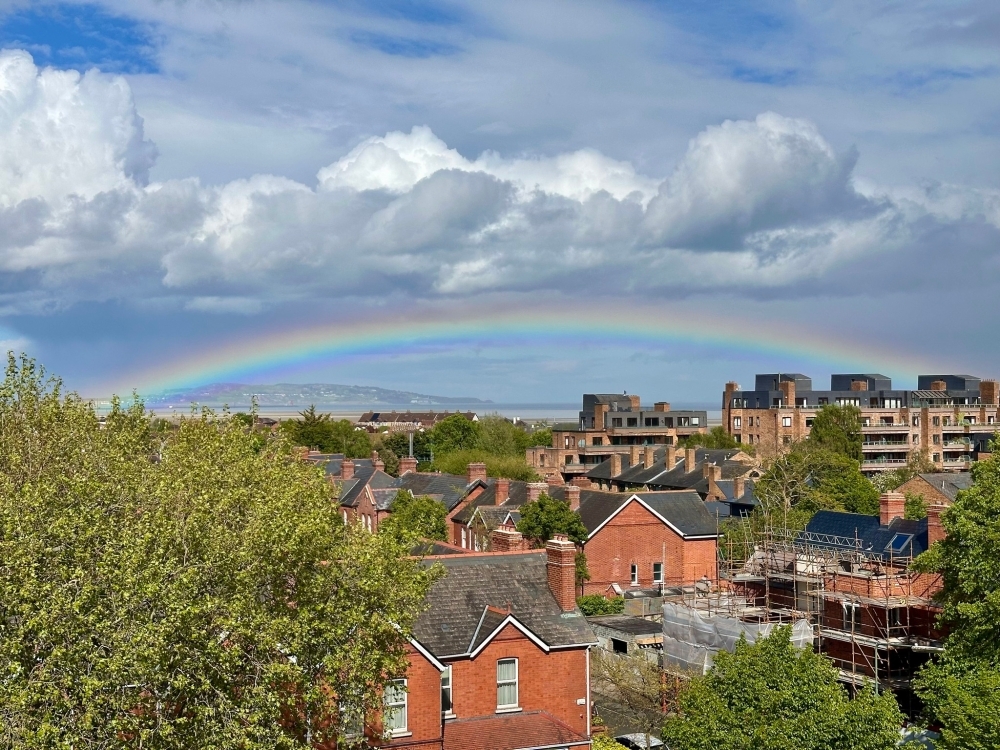 A view from the Embassy of Japan in Ireland (Photo taken in May 2026)
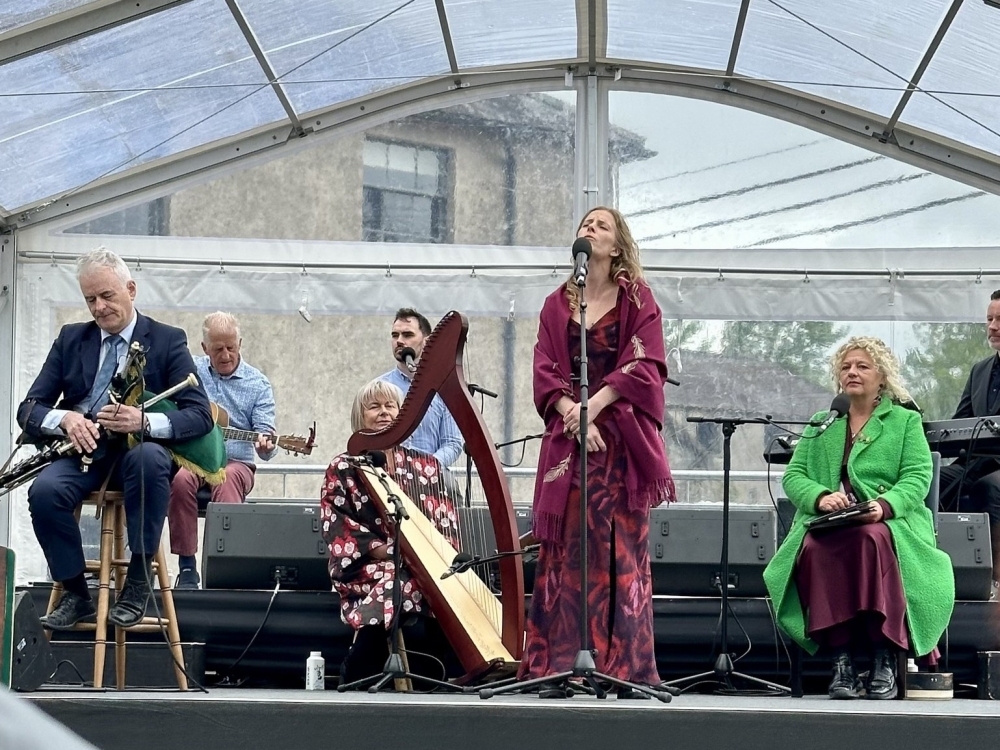 Róisín Mannion singing Crucán na bPáiste (the burial place of the children) by Brendan Graham during National Famine Commemoration 2026 at Irish Workhouse Centre, Portumna, Co. Galway (Photo taken in May 2026)
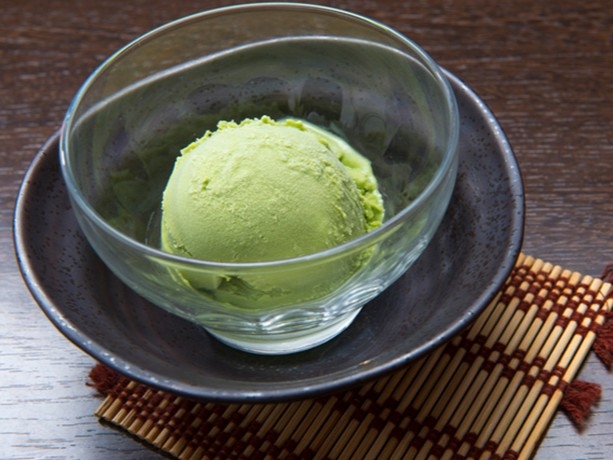 Matcha ice cream
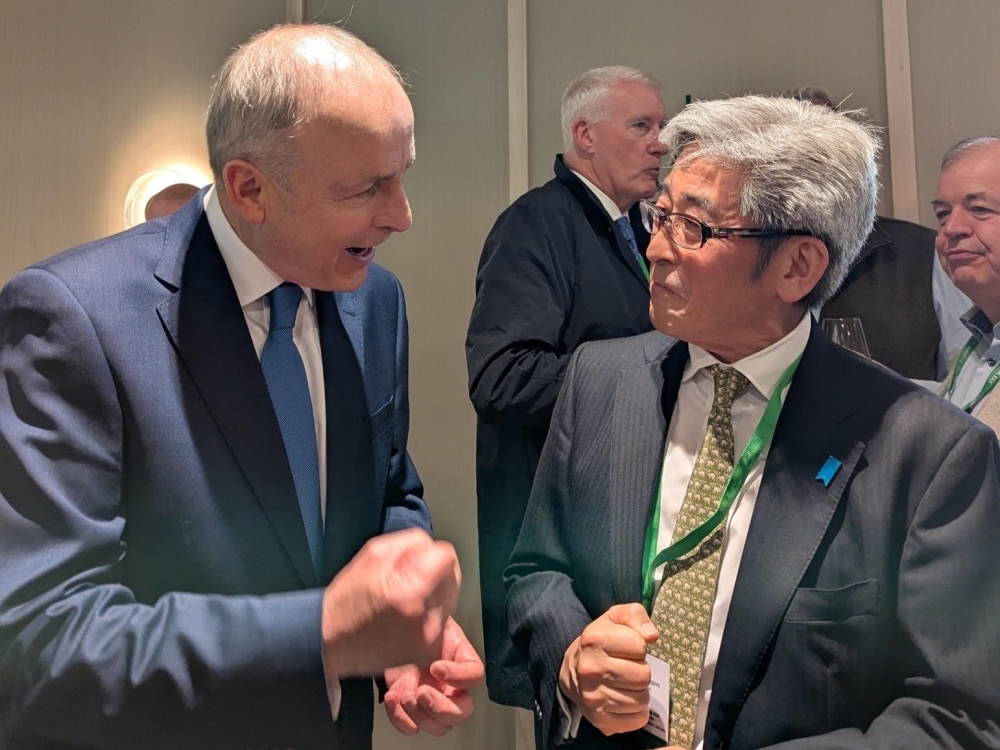 Taoiseach Micheál Martin talking to Mr MIYAGAWA Manabu, Ambassador of Japan to Ireland at the reception after the Fianna Fáil Ard Fheis (Photo taken in May 2026)