
ユニバーシティー・カレッジ・ダブリン(UCD)におけるバイオエコノミーに関するセミナー
令和8年10月22日
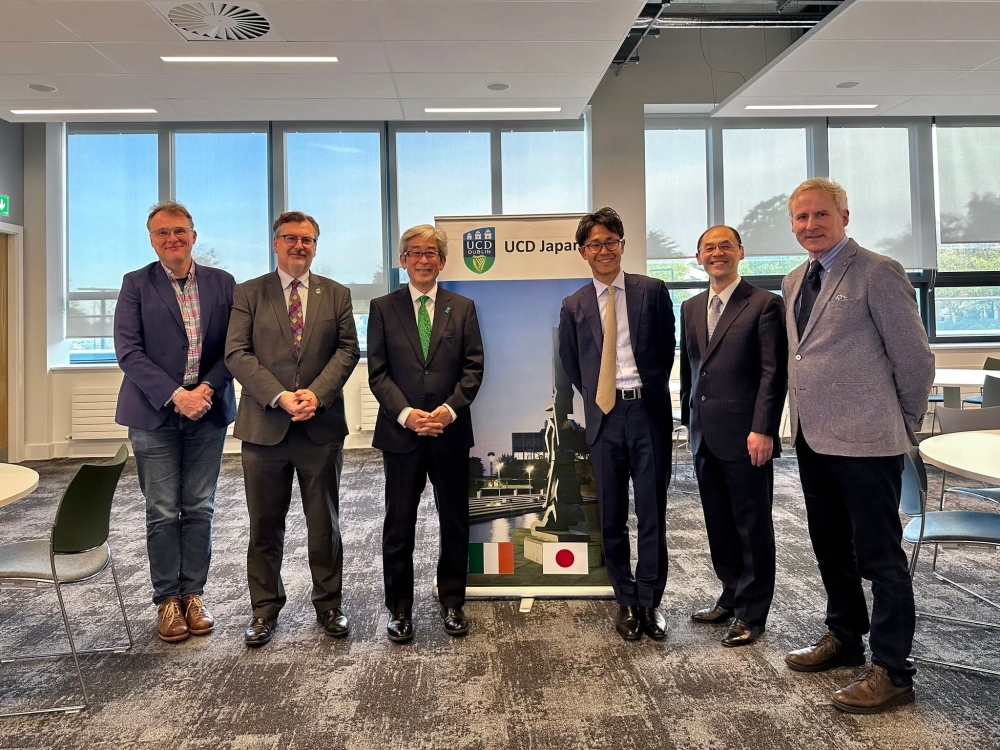 白石晃將・京都大学教授(中央右)、コリン・スコットUCD学事局長兼副学長(左から2人目)、スティーブン・ゴードンUCDおよび北海道大学教授・日本研究副センター長(左端)、小舘尚文UCD教授・日本研究センター長(右から2人目)、宮川学大使(中央左)(令和8年10月撮影)
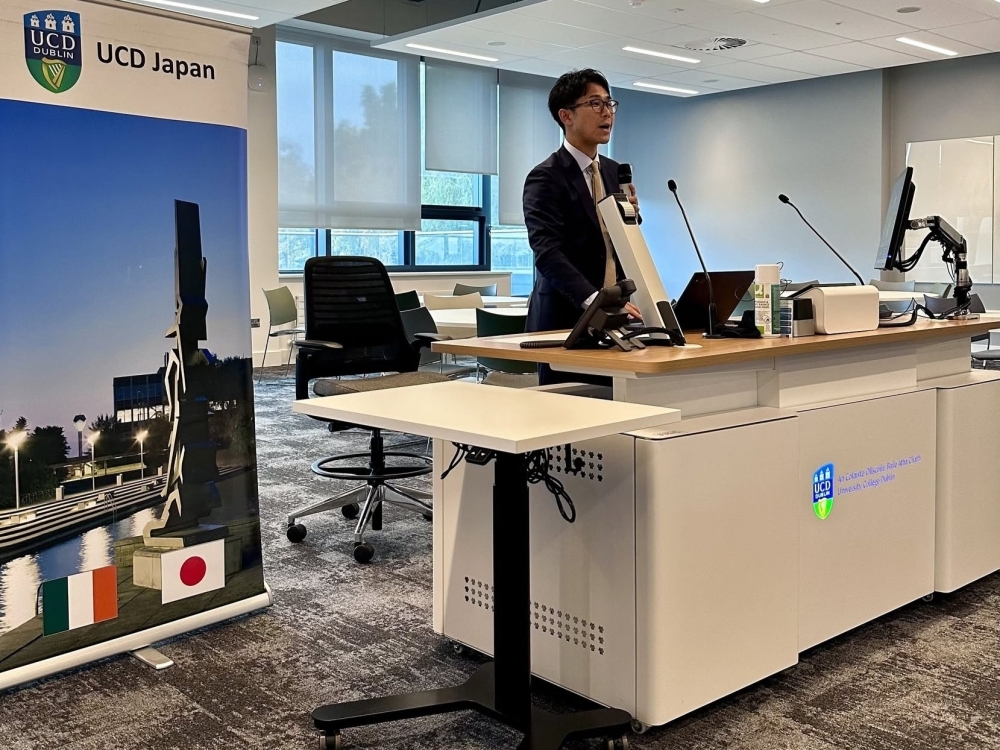 白石晃將・京都大学教授(令和8年10月撮影)
10月22日、宮川学大使は、2027年の日アイルランド外交関係70周年に向けた記念行事である本セミナーの共催者たる日本国大使館を代表して、小館尚文UCD教授兼日本センター所長の司会の下、コリン・スコット副学長と共に、開会の挨拶(*下記参照)を行ないました。
白石晃將・京都大学教授(中央右)は、「C1微生物:そのメカニズムから、バイオエコノミーに向けた農業・環境分野への応用まで」との題名の講演を行い、その後参加したUCD大学教授、学生からの質問、コメントに応じました。白石教授は、前日までダブリンで開催されたグローバル・バイオエコノミー・サミットにも日本の学界を代表して参加しました。
在アイルランド日本国大使館は、日愛両国間のバイオエコノミー分野での協力と大学間交流が、今回のような機会を通じて深まり、ひいては、国際社会において、バイオエコノミーを活用したエネルギー安全保障、気候変動、生物多様性などの地球的規模の課題解決に資するよう、可能な役割を果たしていく考えです。
*【Remarks by Ambassador MIYAGAWA Manabu】
Thank you Vice-President Scott and Professor KODATE for your opening remarks and kind introduction. Good afternoon, everyone.
First of all, I would like to express my sincere gratitude to the UCD Centre for Japanese Studies for co-organising this joint seminar with the Embassy of Japan to commemorate the 70th anniversary of the establishment of diplomatic relations between Japan and Ireland.
I would also like to welcome Dr SHIRAISHI Kosuke from Kyoto University, who will share his knowledge and expertise on the bioeconomy and microorganisms with us today.
Dr SHIRAISHI previously worked in the Economic Security Division of Japan’s Ministry of Foreign Affairs in Tokyo. I happened to work in the same division, although at a different time. Following his assignment at the Ministry, Dr SHIRAISHI went on to work for the Food and Agriculture Organization of the United Nations (FAO). Given his extensive experience in academia, diplomacy and international administration, I am sure that his lecture today will offer us valuable insights from a variety of perspectives.
The bioeconomy is a rapidly growing field worldwide. Both from a socioeconomic perspective and in terms of economic security, developing the bioeconomy is high on the agenda for Japan, Ireland, and the international community as a whole.
In 2024, the Government of Japan announced its Bioeconomy Strategy, updating the 2019 Bio Strategy, with the aim of making Japan the world’s most advanced bioeconomy society by 2030.
This week, the Global Bioeconomy Summit was held in Dublin. The summit highlighted how bio-based solutions can help address global challenges, including food and energy security, health, biodiversity loss, and climate resilience.
I understand that Dr SHIRAISHI also participated in the summit. The Embassy of Japan was represented, together with an official from Japan’s Cabinet Office. Also from Japan, Ms KUSAKABE Yumiko, Chief Strategic Officer of Platinum Bio spoke her company’s experiences.
Ireland and Japan are strategic partners. We can continue to work together to promote a circular economy and achieve sustainable economic growth by addressing these global challenges. I hope that today’s lecture will further strengthen the cooperation between our two countries. Thank you very much.
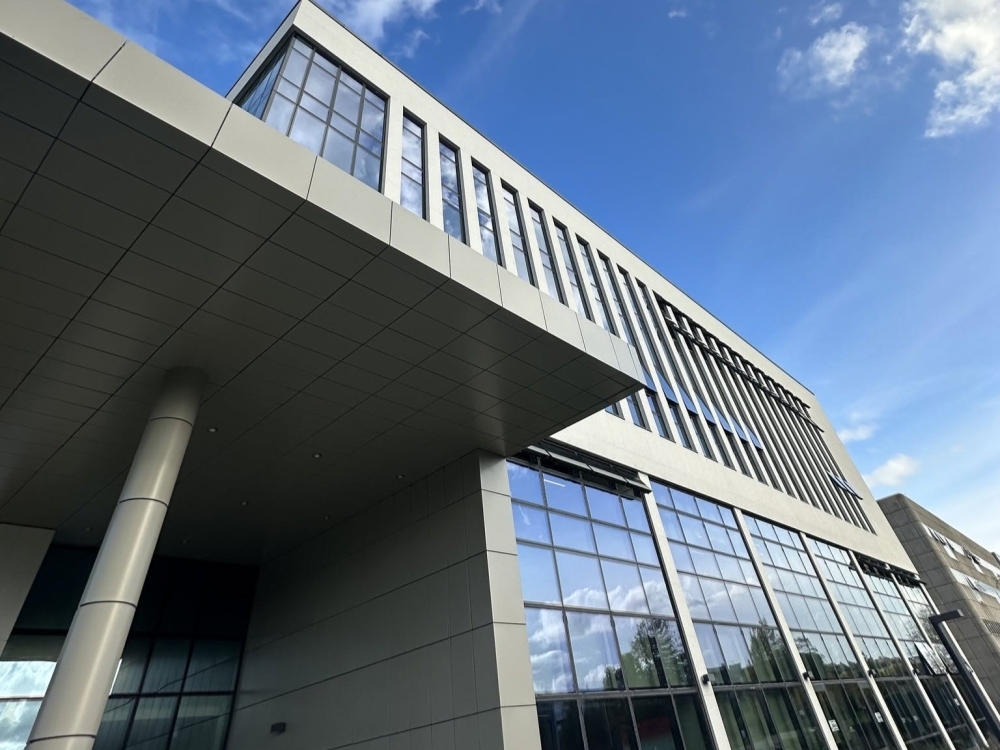 ユニバーシティー・カレッジ・ダブリン(令和8年10月撮影)
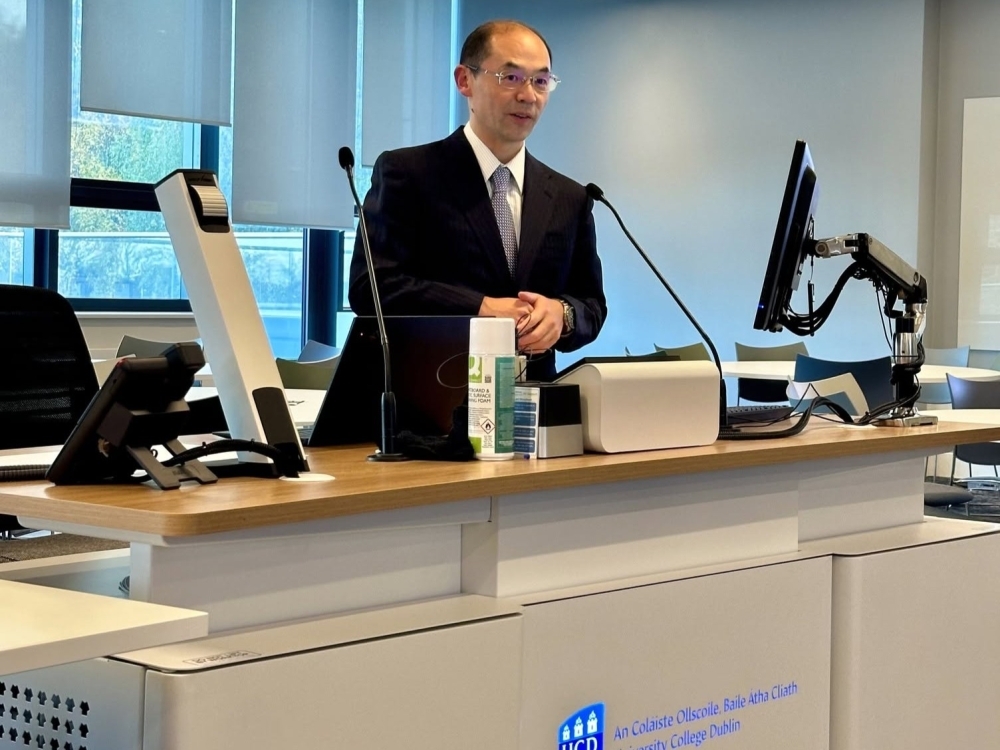 小館尚文ユニバーシティー・カレッジ・ダブリン教授(令和8年10月撮影)
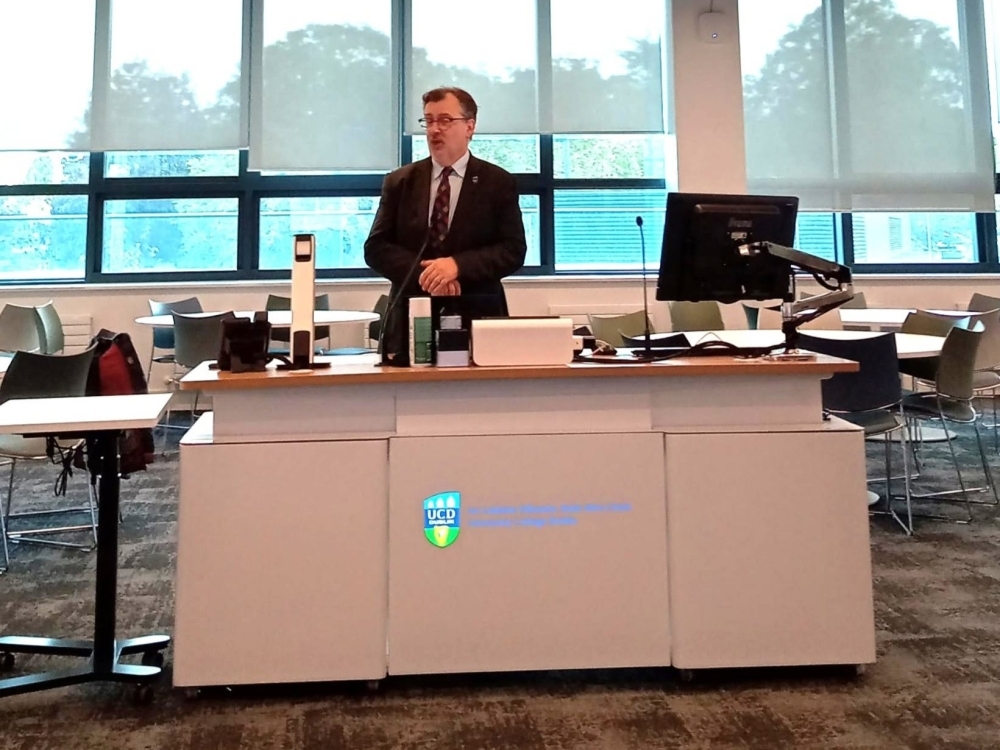 コリン・スコットUCD学事局長兼副学長(令和8年10月撮影)
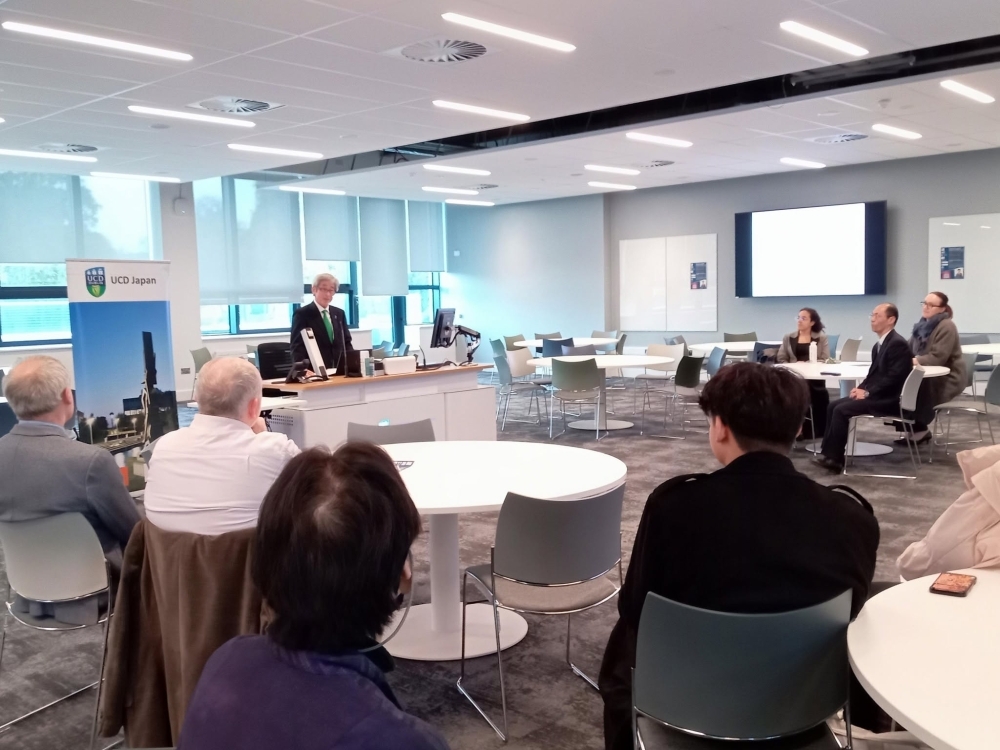 開会挨拶を行う宮川大使(令和8年10月撮影)